
Nothing beats a refreshing, cold dessert on a warm, summer day. But with so many options on the menu, it can be challenging to pick the right indulgence for you. Learn how to distinguish between these five frozen dairy desserts!
Ice Cream
A classic. With history dating back to Alexander the Great’s era, ice cream is the source from which many modern-day desserts spring from. Although recipes can vary, all ice creams include at least three ingredients: milk, cream, and sweetener. Milkfat is the star player, providing the dessert with its signature smoothness and creamy texture. In fact, the USDA requires at least 10 percent milkfat for a dessert to earn the “ice cream” label.
Sweeteners vary. Options include but are not limited to sucrose, honey, or a blend of different sugars to achieve specific functional properties. Stabilizers and emulsifiers may also appear on the ingredient list, as they help prolong shelf life and enhance product appearance, important factors to consider for commercial ice cream brands.
Once assembled, the ingredients are simultaneously frozen and churned. After reaching 20–25 degrees Fahrenheit, the mixture is removed, packaged, and stored for additional firming and freezing. Once ready to enjoy, pull out the tub and start scooping!
Frozen Custard
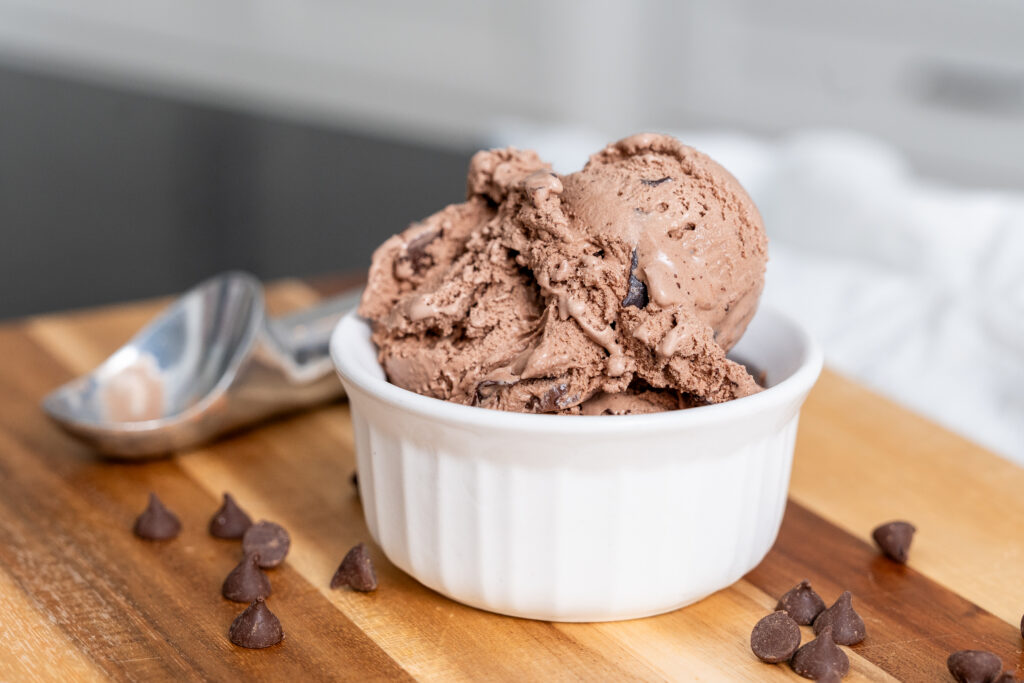
Invented in Coney Island, New York in 1919, frozen custard has grown especially popular in the Midwestern United States. If you stop by a classic American diner, you’re likely to see it on the menu. Ice cream and custard have similar core recipes. What makes frozen custard unique is its inclusion of egg yolks. 1.4 percent egg yolk solids, to be exact. This one additional ingredient gives custard a richer, thicker, and creamier texture than ice cream. Note that frozen custard is a variation of regular custard, which can be consumed on its own or used as filling in pies, egg tarts, and flan, among other tasty treats.
Gelato
Ice cream’s Italian cousin, Gelato, uses more milk than cream, contains 4-9 percent milkfat, and utilizes fewer (if not zero) egg yolks. The churning process is slow in comparison to ice cream, giving less opportunity for air to sneak in. The resulting frozen dessert has a denser, milkier texture that’s less creamy than ice cream. Gelaterias also run their cases at a warmer temperature than most ice cream shops, giving gelato’s its signature, silky texture.
Frozen Yogurt
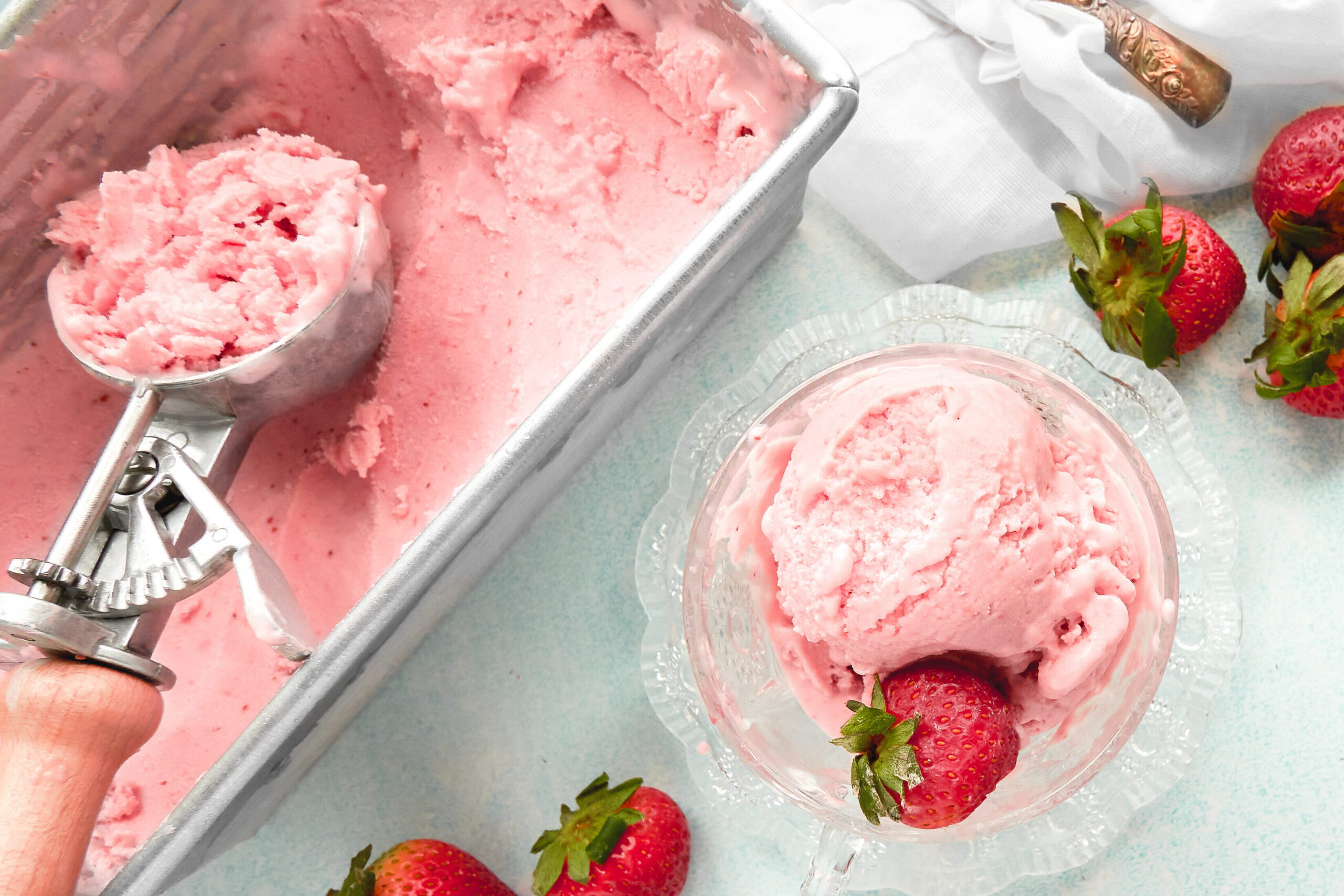
If it’s tangy, it’s probably frozen yogurt. Although akin to ice cream, frozen yogurt has no cream in its core recipe, only milk. Its base mixture is also cultured with the bacteria strains Streptococcus thermophilus and Lactobacillus bulgaricus. While this fermented dessert can contain probiotics, this health benefit depends entirely on the bacteria surviving the process of manufacturing.
Soft Serve
Forearms sore from scooping all that ice cream? Try soft serve. The churning and cooling process happens inside a machine, which then holds the ready-to-freeze base above 32 degrees Fahrenheit. Once activated, the machine freezes the mixture, incorporating a significant amount of air in the process. A lighter, softer dessert is then extruded from the machine’s spout.
Just like regular ice cream, soft serve starts with milk, cream, and sugar. It can also incorporate egg yolks, like custard, or fermented ingredients, like frozen yogurt. Most think of soft serve as a serving style rather than a unique dessert. However, most commercial soft serve is formulated with 5 percent milkfat, making it a “light” ice cream. The incorporation of air also tends to lower calories per serving – selling points many soft serve vendors like to point out.
In Conclusion
Although they have their unique qualities, ice cream, custard, gelato, frozen yogurt, and soft serve all hail from the same delicious, creamy family. Regardless of what you pick on a warm, summer day – we assure you – you’ve made the right decision.